








Many entrepreneurs ask me: "Mona, what's the one thing I lack most when scaling from one store to ten or even a hundred?"
My answer is always the same – money only solves the "opening" problem. It does not solve the "replication" problem.
If you rely solely on capital to fuel expansion while ignoring the underlying logic of chain retail, the more stores you open, the more you'll lose.
What truly determines whether a business can scale from "1" to "100" is not funding – it's four pillars:
A Proven Store Model, Standardization Systems, Talent Replication Mechanisms, and Management Control Systems.
Without these four foundations in place, pouring in more money is simply gambling.
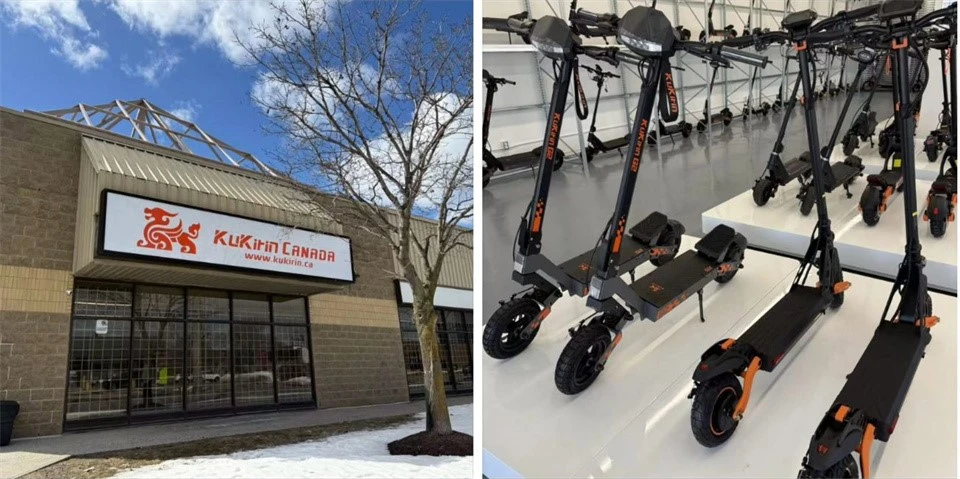
01 The Store Model: First, Validate a "Replicable Profit Logic"
Many brands see their first store perform well – but often because of:
A prime location,
The founder's personal involvement,
Or a temporary lack of local competition.
Move to a different city or a different neighborhood, and those advantages disappear overnight.
A store model is proven not when "this store makes money," but when "it makes money anywhere else."
We apply three strict criteria to determine whether a store model is truly validated:
Criterion #1: The founder steps away for 30 days, and revenue drops no more than 10%.
If a store collapses without the founder's presence, that's not a model – that's the founder's personal capability propping it up.
Criterion #2: Replace the store manager, and performance fluctuates within 15% over three months.
If a new manager causes dramatic swings, your standards haven't been solidified – operations are still "person-dependent."
Criterion #3: The model turns a profit in three distinct location types.
Shopping mall stores work, community stores work, and office-district stores work – that's when you have a truly universal store model.
Until these three criteria are met, opening new stores is just rolling the dice.
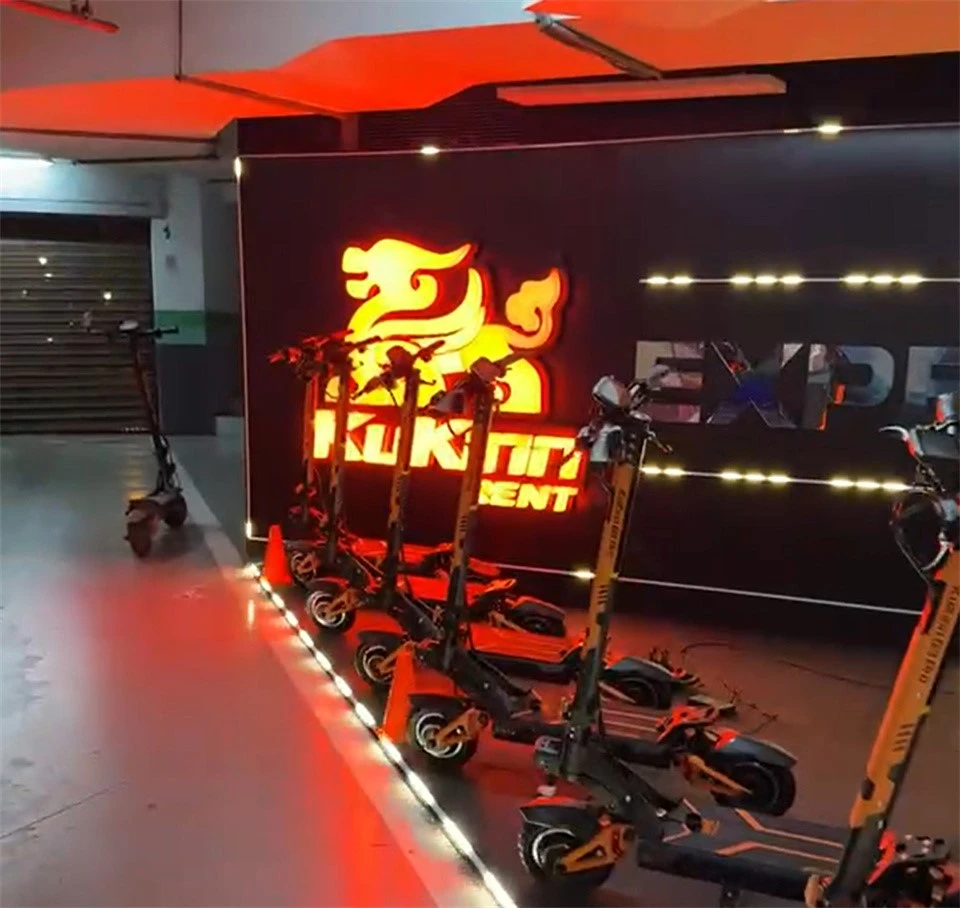
02 Standardization: Turn "Experience" into "Manuals"
Once the store model is validated, the next question is –
How do you ensure consistent service quality, product experience, and operational efficiency across 100 stores?
The answer lies in three words: Standardization.
We've built a three-tier standardization framework:
Tier 1: Technical Standards
Product assembly, debugging procedures, and maintenance steps are all codified – down to the sequence, duration, and material usage.
A new hire following the manual should deliver results comparable to a seasoned veteran. That's when standardization is truly effective.
Tier 2: Service Standards
From the first greeting, to test-ride guidance, product consultations, and after-sales follow-ups – every customer touchpoint is broken down into fixed action steps.
Staff don't need to "improvise." They just follow the playbook, and customers consistently receive the same high-quality experience.
Tier 3: Management Standards
Scheduling, inventory ordering, store cleanliness checks, morning meeting formats – all follow established procedures.
Change the store manager, and the store still runs smoothly. That's the real value of management standards.
Standardization, at its core, shifts dependency from "people" to "systems."

03 Talent Replication: From "Hiring People" to "Producing People"
Scaling from 1 to 10 stores can still rely on external hiring.
But scaling from 10 to 100 stores demands a systematic talent production line.
We've implemented two key mechanisms:
1. A Dedicated Training Center
Every new store manager must complete a two-week intensive training program before taking office.
The curriculum covers product technology, store operations, customer relationship management, financial fundamentals, and more – with a final exam required for certification.
2. A Mentorship (Apprenticeship) System
Every experienced store manager is required to mentor one new store manager. Failure to develop a qualified successor blocks their own promotion.
Meanwhile, a portion of the new store's first-year profits goes directly to the mentoring manager.
Those who successfully develop three qualified store managers enter the pool for regional manager candidates.
Once this system is in place, store manager turnover drops significantly –
we no longer worry about "opening new stores with no one to run them."
04 Management Control Systems: Replace "People-Watching" with Data
Stores are opening left and right – but how do you ensure every single one is operating according to standards?
By having the founder fly around for inspections? Unrealistic.
By having regional managers visit weekly? That doesn't scale.
You need systems.
Inventory Ordering System
Based on historical sales data and seasonal trends, the system automatically generates recommended order quantities.
Store managers simply review and confirm – dramatically reducing overstock and waste.
Data Alert System
- Revenue declines beyond a set threshold → automatic alert
- Consecutive drops in foot traffic → automatic alert
- Abnormal conversion rate fluctuations → automatic alert
Store managers must respond within a specified timeframe with root-cause analysis and corrective actions.
If the issue isn't resolved, the alert automatically escalates to regional managers and headquarters operations.
The purpose of control systems isn't surveillance – it's to help stores identify problems early and correct course quickly, powered by data.
Final Thoughts
Scaling from 1 store to 100 is not about capital expansion – it's about capability replication.
- The Store Model answers "Can it make money?"
- Standardization answers "Can it be replicated?"
- Talent Replication answers "Who will run the stores?"
- Control Systems answer "Can we manage them all?"
These four pieces are inseparable.
kukirin now has a sales network spanning over 30 countries, with annual sales exceeding 500,000 units.
We've learned that a brand's long-term success doesn't depend on how many stores you open –
but on whether every single store can stand the test of the market.
If you're also thinking about how to scale from 1 to 100,
I'd love to connect and explore together how to turn one great store into a hundred great stores.
About the Author
Mona|kukirin Electric Scooter Factory
With years of experience in the micro-mobility industry, specializing in brand chain operations and channel development.
I firmly believe that "replicating capability is more important than replicating storefronts."
Scan below whatsapp code to chat with Kukirin Factory Director -Mona